About the Breed
What is the Hungarian Vizsla like as a bread and is it the right dog for you?
Read moreThe dogs, not yours
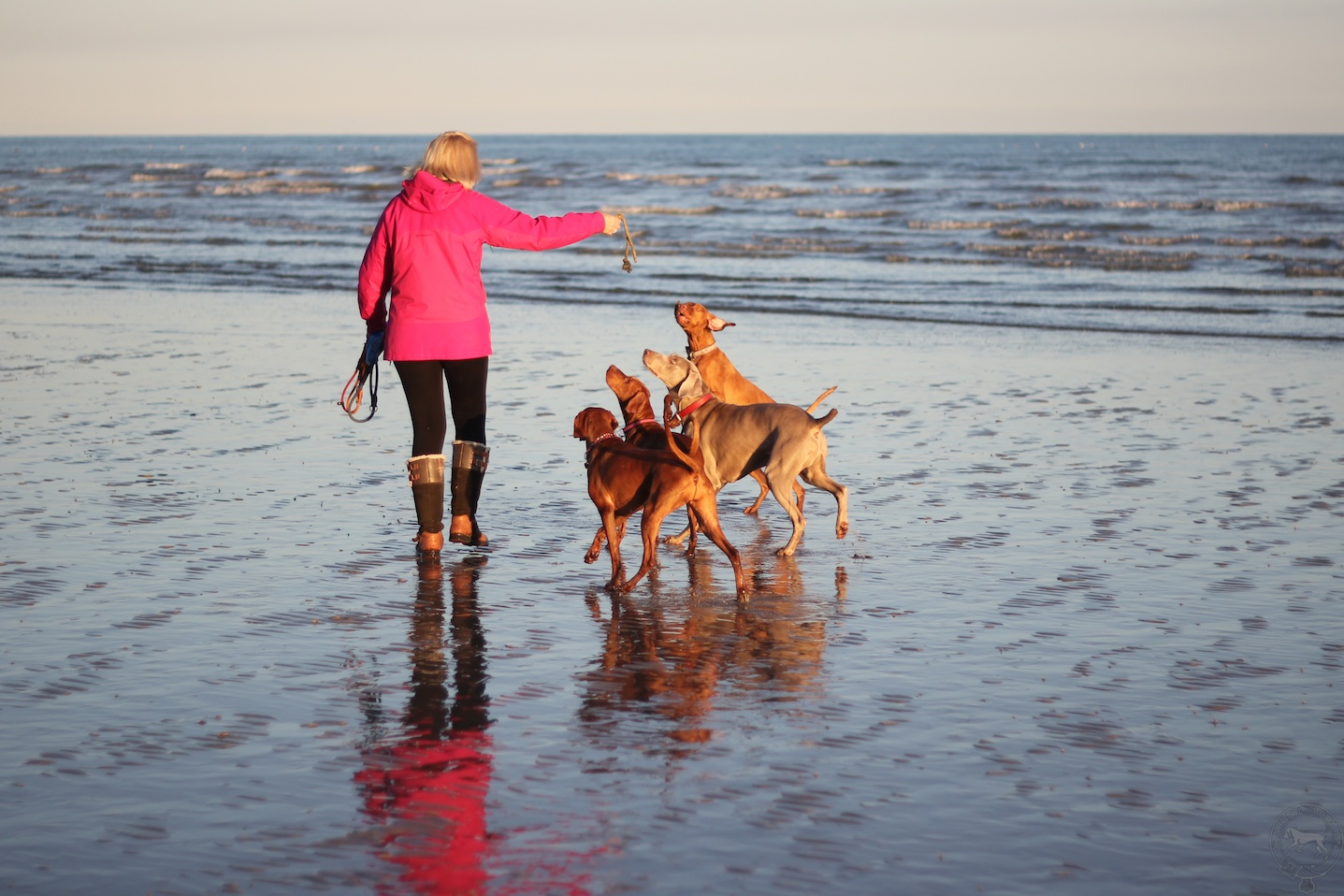
Hungarian vizslas are considered one of the healthiest breeds with very few problems, but like any pure breed dog restricted to small gene pools (especially on this small island with strict quarantine laws)it has made it difficult for breeders to import new dogs to widen their gene pool. To import any dog of good stock costs thousands of pounds, and there is still no guarantee genetically.
Dogs can suffer from inherited/genetic disorders, but that does not mean that the Vizsla is riddled with them. Vizslas and Weimaraners are considered the athletic dogs of the dog world.
Because of the lack of genetic markers in breeds no breeder can test their lines to say they are completely free. I would just like to say that dogs are like humans, we also have many problems of different degrees, no matter whether a dog or human we are all prone to problems of one sort or another, which we sort out with professional help if needed.
A lot of research is going on in the UK for various problems in dogs, and all responsible breeders in the UK use the Kennel Clubs recommended health tests for their breed. A Kennel club accredited breeder must comply with these health tests to be part of the scheme. The only required test from the scheme for the Hungarian Vizsla is Hip Dysplacia, then all breeders can do is breed from animals which to the best of their knowledge are healthy; the rest is up to nature. All I can say if you think your dog has a problem please go to your veterinary surgeon for help, as like humans a proper diagnosis is required with any animal and the proper treatment given. Also it is helpful for the breeder to know of any problems that may occur so they can check out to see if it is hereditary and if necessary stop the breed line or at least be given the choice.
From my own experience and for anyone who cannot afford expensive vet bills I would strongly advise pet insurance with small monthly payments to avoid this if the problem arises, the bigger the dog the bigger the bill. Regular health checks on all breeds are essential, but a healthy diet and regular exercise will play a bit part to a long and healthy life for your dog.
Bloat is not a condition I would wish to see in any dog, they go from a healthy dog one minute to a dog fighting for its life in the next. Bloat is a condition affecting deep chested breeds of dogs, such as the Weimaraner Hungarian Vizsla, German Short haired pointer etc, it's where the stomach blows up with air and causes pain and discomfort very quickly. The stomach/gut can twist which is very serious medical emergency. If you suspect your dog has bloat you must go immediately to the vets, do not leave your dog alone in this condition. Bloat can also be caused by a dog drinking to much water, which also extends their stomach. If you have a greedy dog never leave it alone with endless access to the food as it will over eat and this could also cause bloat.
Bloat can be seen at any age, even in puppies, however in these cases it is usually a foreign object that the puppy has eaten fermenting in the stomach. Bloat is more commonly seen in older dogs, and sometimes it can be caused by another underlying health condition. Dogs can also bloat after a lot of stress, and from whelping and over exercise on a full stomach.
If your dog has bloated your vet may just pass a tube down into the stomach and release the air, if this does not work they may stick a needle into the stomach to see if they can get the air out that way, but if not successful they will have to operate.
Your dog may be lethargic, try to hide away, sway when standing from side to side, and have a hunched back, pace up and down, diarrhoea, non-productive vomiting, or shake, or there may be hardly any symptoms at all, except for being ok one minute and not the next, going from normal to a swollen looking stomach and then collapse. In a healthy dog its gums should be a nice dark pink if they are pale then the blood supply is stopping in your dog. So there is only one option and that is to go immediately to your vets. There has been a lot written on how to prevent bloat, but I believe feeding your dog a good healthy diet not over doing the cereals and grains that can be allergic for some dogs and can cause more gas in the stomach. The B.A.R.F diet shows less chances of bloating. Our Weimaraner who we had fed dried food to suffers from colitis which is a condition affecting his bowels making them irritable and sore and have diarrhoea, and sometimes vomit, since we have fed him the B.A.R.F diet his condition has improved so much so he has not had a belt of this in 6 months.
We never feed our dogs a huge meal before we go out for a walk, as we humans feel uncomfortable after eating so do dogs; and always wait at least an hour for their stomachs to settle before feeding, never leave continuous access to water for your dog a water bowl regularly filled is enough.
Do not feed dry food alone, a dog can choke on dry food if it is a greedy eater, but add a little water to the food before eating.